

Back to Style Guides
Deciding between the Hamsa and the Evil Eye comes down to what kind of boundary you need to set in your daily routine. While both are ancient forms of protection with deep roots in the Mediterranean and Middle East, they do entirely different jobs. One acts as a magnet for good fortune, drawing in health and abundance. The other works as a strict shield against bad intentions, intercepting jealousy before it reaches you.
When you understand the historical mechanics behind these ancient shapes, they stop being just decorative metal ornaments. They become quiet, personal anchors that hold actual weight in your daily routine, offering a tangible sense of security and intention every time you put them on.
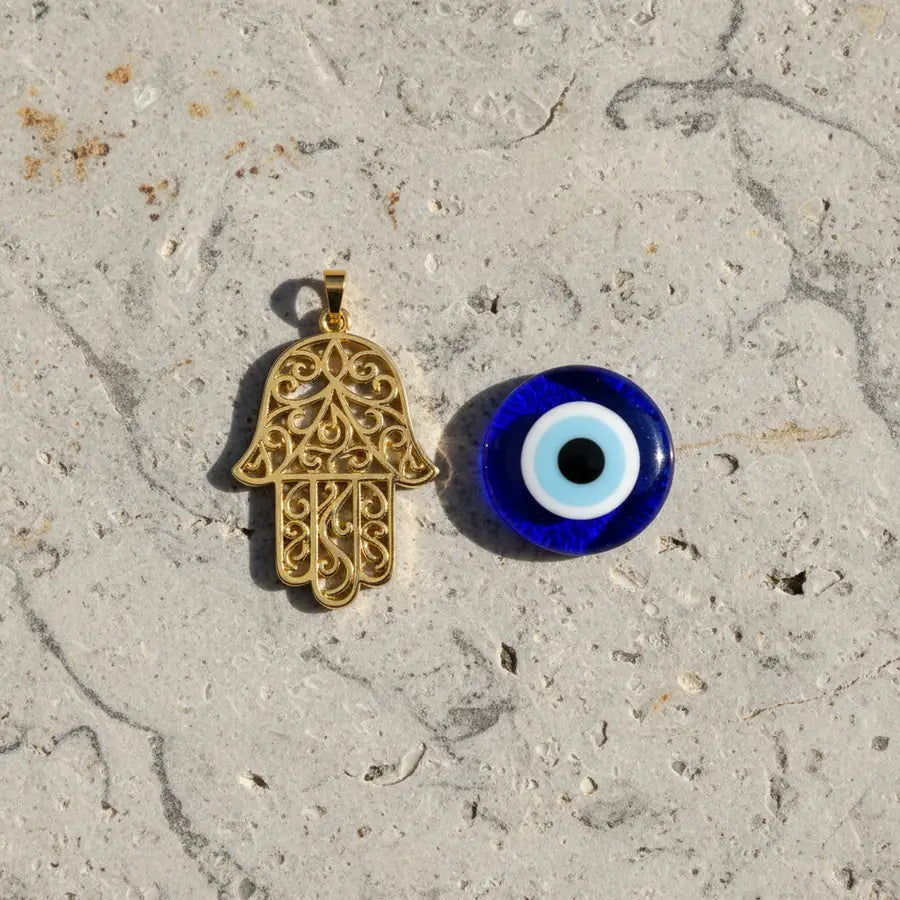
A gold Hamsa pendant placed next to a blue glass Evil Eye bead, showing the distinct visual identities of both amulets.
Tracing the origins of protection jewelry
People have always looked for physical objects to ward off bad luck and unseen threats. The Middle East and Mediterranean basins gave us both the hand-shaped amulet and the concentric circle bead. They often sit next to each other in modern jewelry cases, but they come from entirely different cultural anxieties and historical timelines.
The open palm actually predates major monotheistic religions by thousands of years. You can find it in ancient Mesopotamian artifacts and Carthaginian carvings as a sign of divine authority. Early civilizations used the hand to represent a supreme deity reaching down to defend mortals from natural disasters, famine, and illness. Eventually, the shape wove its way into various cultures, becoming the Hand of Fatima in Islamic traditions and the Hand of Miriam in Jewish communities. Each culture adapted the symbol to represent their own protective figures, yet the core meaning of a hamsa hand remained intact across centuries of trade and migration.
The glaring blue bead comes from a very specific fear: the malicious stare. Rooted in early Greek and Roman antiquity, the nazar was based on the idea that a jealous look could cause actual physical damage. People believed a covetous glance could dry up crops or cause sudden illness. It could even ruin a successful business overnight. Glassmakers in the region started crafting eye-shaped beads to stare right back at the threat. They used copper and cobalt to achieve that striking blue color, creating a permanent, unblinking watcher that never needed to sleep. Merchants carried these beads along the Silk Road, cementing the eye as a universal symbol of defense.
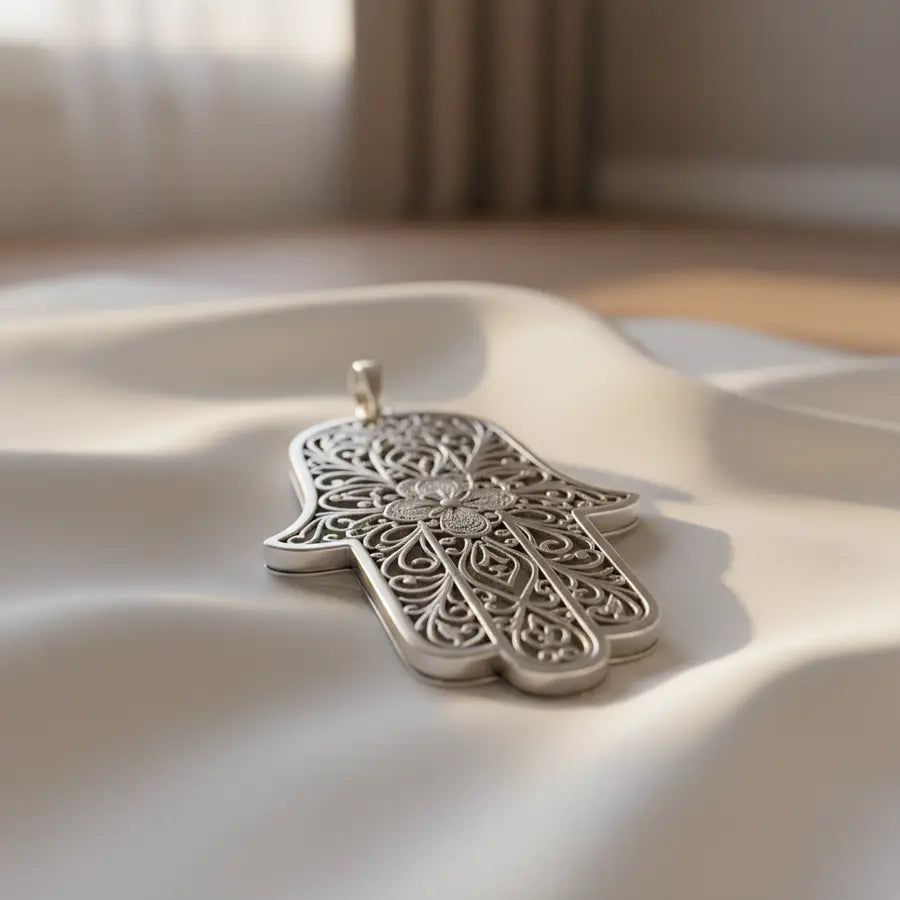
A close-up view of a silver Hamsa hand, showing the intricate filigree work and the symmetrical placement of the outer fingers.
The difference between Hamsa and Evil Eye
The Hamsa hand
A symbol of active blessing and fortune.
The Hamsa functions as a magnet for positive energy. Shaped like an open palm with two symmetrical thumbs, it represents strength and abundance. People wear it to draw good health and prosperity toward themselves. The direction matters immensely. Facing upward, it acts as a firm shield against external harm. Facing downward, it signals you are open to receiving wealth and blessings from the universe. Many wearers physically touch the pendant during stressful moments to ground themselves.
The Evil Eye
A mirror designed to reflect malice.
Unlike the hand, the eye is strictly a defensive barrier. The concentric circles, usually blue and white, mimic an unblinking stare. Its only job is to intercept a malicious glare from an envious person, reflecting the core meaning of the evil eye. By staring back at the negativity, the amulet neutralizes the threat before it can attach to you. It does not actively bring you luck. It just protects the luck you already have by keeping jealousy away from your personal space.

A model wearing a medium-length Hamsa necklace layered with a simple gold choker and a longer, unadorned chain.
The Hamsa hand: inviting fortune and deflecting harm
The open palm does two different jobs depending on how it hangs from a chain. A Hamsa with fingers pointing up is defensive. It mimics the universal human gesture to stop. You wear it this way when you feel vulnerable to outside pressure or need a physical reminder to hold your boundaries firm against demanding people. This upward orientation pushes back against negativity before it can enter your personal space.
Turn the Hamsa downward, and the intention shifts entirely. The downward fingers act as an open channel for goodness and material success. A lot of people flip their pendant to this orientation during major life transitions. Starting a new job or moving to a new city often prompts wearers to seek this welcoming energy. The anatomical symmetry, with two identical thumbs, shows it is not a human hand, but a divine one offering constant support.
You will often see secondary symbols stamped into the palm to amplify its power. Some feature fish motifs for abundance, or specific Hebrew and Arabic inscriptions meant to bring peace to the household. Many designs even embed a small eye directly in the center of the palm. This merges the receptive nature of the hand with the watchful defense of the eye in a single piece of jewelry, giving the wearer a comprehensive tool for daily navigation. Wearing a detailed Hamsa serves as a tactile grounding object during stressful moments.
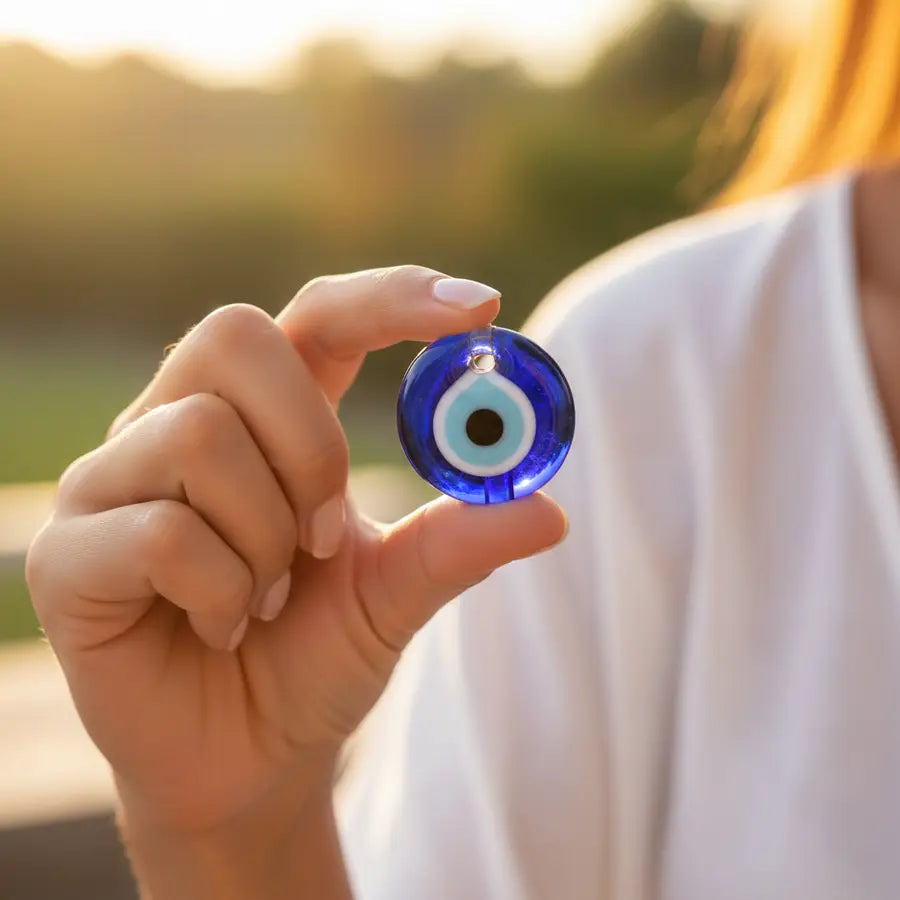
A traditional glass Evil Eye bead featuring a dark blue outer ring, a light blue iris, and a solid dark pupil.

Chic Blue Evil Eye Hamsa Hand Ring - Adjustable Geometric Wedding Party Jewelry for Women
$11.13 - $30.88
View

Trendy Zircon Evil Eye Hamsa Hand Adjustable Ring: Vintage Gold Tassel Design for Parties and Weddings
$11.11
View
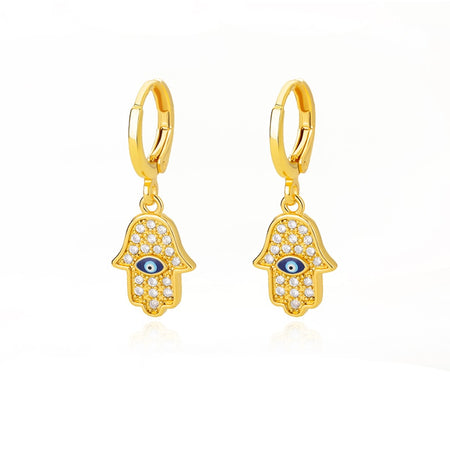
Add a Sparkle to Your Outfit with Our Gold-Plated Stainless Steel Zircon Evil Eye Earrings - A Trendy Pick for Style-Conscious Women
$13.51 - $15.26
View
Practical ways to style Hamsa jewelry
Because the open palm carries distinct geometric weight, it anchors a layered look well if you pay attention to proportion and spacing.
- Keep the chain medium to long so the palm rests flat against the chest, rather than sitting awkwardly at the collarbone where it might flip over.
- Pair a detailed filigree Hamsa with a plain snake or box chain so the textures do not fight each other for visual dominance.
- Match the metal tone of the amulet to your everyday rings or watch to keep your daily accessories cohesive and intentional.
- Drop a downward-facing Hamsa onto a 20-inch chain to serve as the lowest focal point in a necklace stack, allowing shorter chains to frame it.

A curated neckline featuring a delicate Evil Eye choker paired with a longer, textured Hamsa pendant to balance visual weight.
The Evil Eye: a mirror against negative energy
The fear of a malicious glare crosses almost every cultural boundary on the map. The eye amulet exists specifically to counter that exact threat. Think of it as a spiritual lightning rod that absorbs the shock of jealousy. When you wear one, you are deploying an unblinking watcher that stays alert even when you are distracted by your daily tasks.
The eye operates passively. Its primary mechanism is reflection. Traditional blue glass variations use the bright color to distract and diffuse a negative stare before it causes harm. People usually reach for this piece when entering a highly visible phase of life. Accepting a promotion or speaking publicly draws eyes toward you. Celebrating a major milestone also puts you in the spotlight. Visibility attracts attention, and attention inevitably brings a mix of genuine admiration and hidden envy from peers. The amulet filters that incoming energy so you do not have to carry the weight of other people's resentment.
Historically, craftsmen made these from highly breakable materials like glass or ceramic on purpose. The fragility was the entire point of the design. If the amulet cracked or shattered, tradition said it had successfully absorbed a massive strike of negative energy and sacrificed itself to keep you safe. Modern wearers still follow this belief, choosing to replace a broken bead immediately rather than trying to repair it or glue it back together. A broken eye means the system worked.
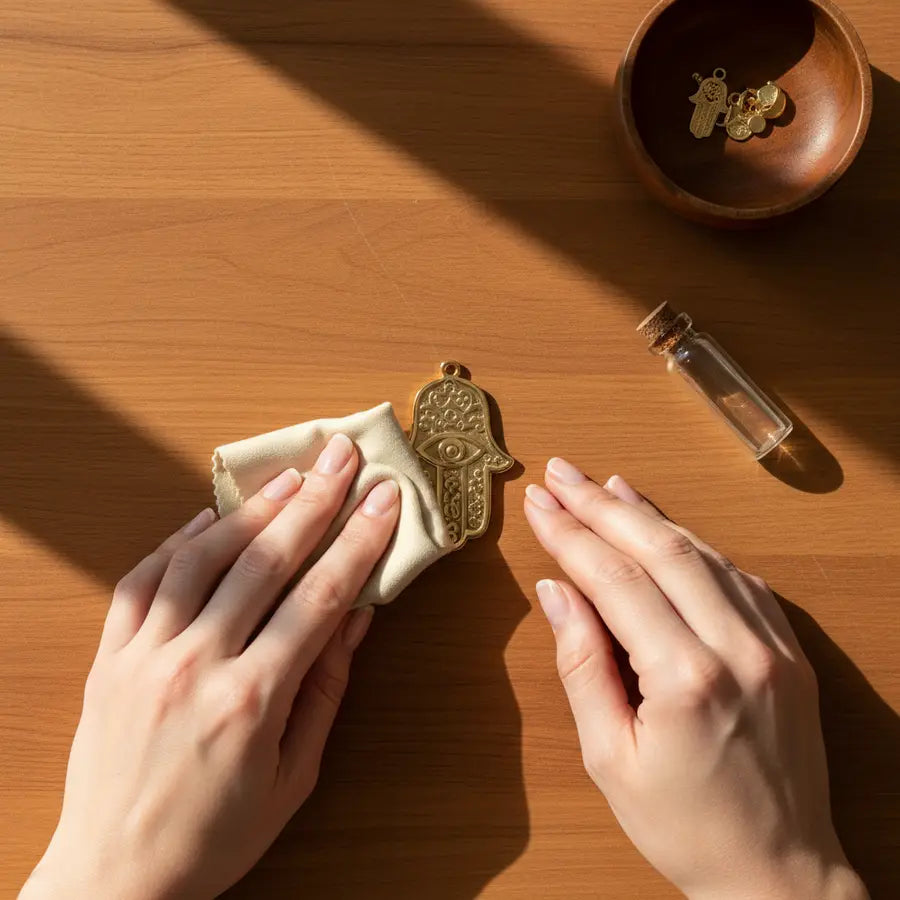
A soft polishing cloth being used to gently clean a gold amulet, removing daily oils and restoring the metal's shine.
Guidelines for wearing the Evil Eye
Where you place this symbol dictates how well it functions as a daily barrier against unwanted attention.
- Place the amulet where others can see it clearly, like on your wrist or collarbone, so it can intercept glances directly from strangers.
- Select a traditional blue bead for general protection, or choose a red variation to specifically guard your physical courage and personal energy reserves.
Take the piece off before swimming or heavy workouts to keep the enamel or glass from dulling under harsh chemicals and sweat.
Replace the amulet immediately if the glass cracks or the chain breaks. Tradition dictates the piece has done its job and absorbed a hit meant for you.
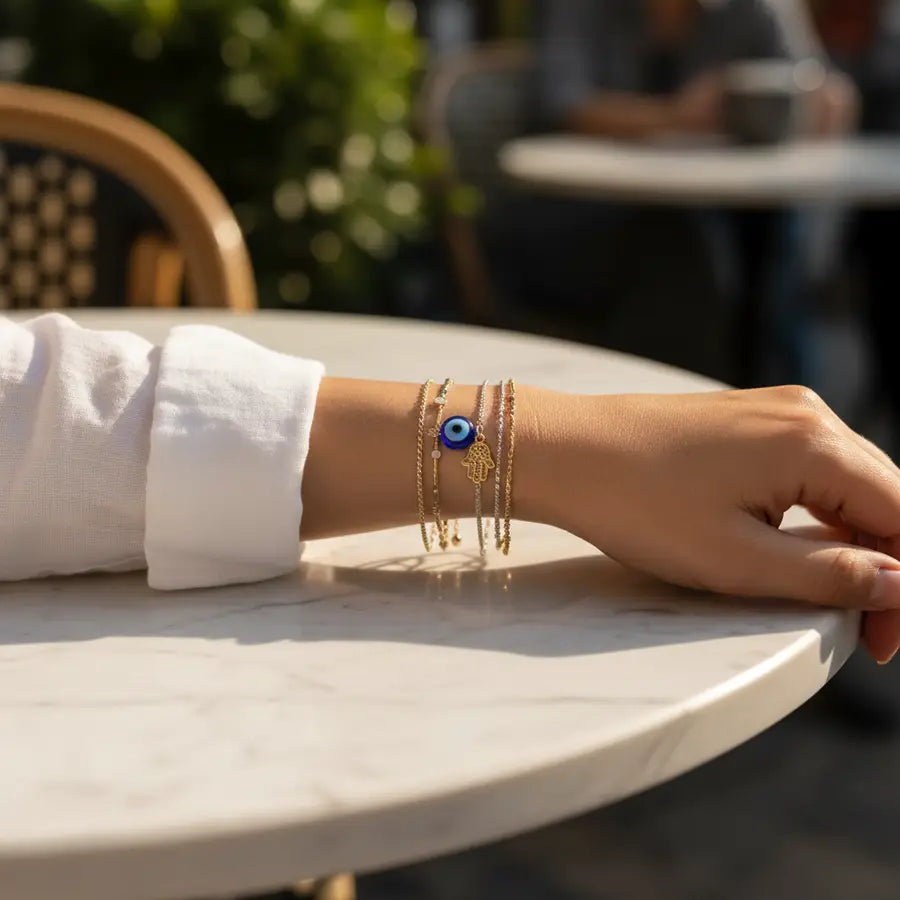
A casual arrangement of protective bracelets worn with a simple linen shirt, demonstrating how to incorporate amulets into an everyday look.
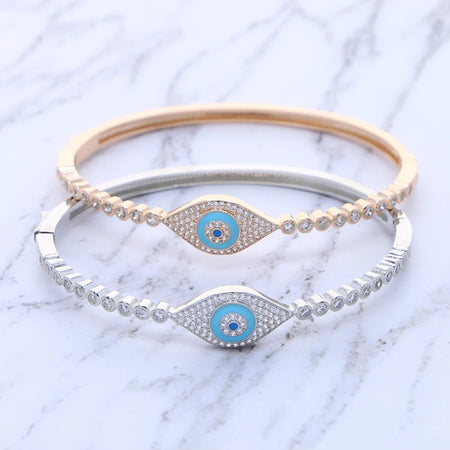
Elegant Rose Gold Evil Eye Bracelet with CZ Crystals and Hamsa Hand Charm for Women
$19.78
View
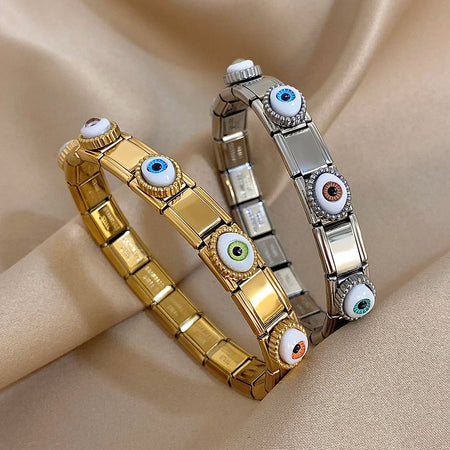
Waterproof Stainless Steel Evil Eye Cuff Bracelet for Women and Men Colorful Protective Talisman Bangle
$18.34 - $19.36
View
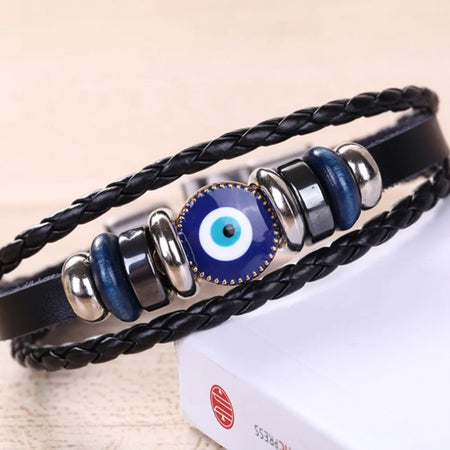
Handmade Vintage Evil Eye Multi-Layer Leather Bracelet for Protection and Style
$12.38
View
Wearing Hamsa and Evil Eye together
You might find yourself drawn to both symbols and wonder if they conflict. Wearing a Hamsa and an Evil Eye together actually creates a highly effective protective system. The eye acts as the outer perimeter, catching incoming malice. The hand operates as the inner sanctuary, actively drawing in good fortune. They handle different energetic tasks without canceling each other out.
To combine them without creating visual clutter, vary their scale and placement on your body. You could wear a small eye bracelet on your left wrist, which is traditionally considered the receiving side of the body, while letting a larger metal Hamsa rest on a necklace. This physical separation keeps the pieces from competing for attention and allows each amulet to anchor a different part of your outfit.
If you want both symbols on your neck, use distinct chain lengths to create clear tiers. Put a delicate eye on a 16-inch chain near the collarbone, and drop the Hamsa onto a 20-inch chain. This gives each shape physical room to breathe and stops the chains from tangling throughout the day. Mixing metals works well here, too. An oxidized silver Hamsa paired with a bright enamel Evil Eye adds a lot of texture to a simple outfit. Some jewelers just consolidate the effort by embedding a small glass eye directly into the palm of the Hamsa, giving you a single, powerful focal point that handles both defense and blessing simultaneously.

A cohesive jewelry arrangement demonstrating how to mix a protective hand pendant with a watchful eye bracelet without visual clutter.
Which protection symbol to choose?
Deciding between these amulets depends on your current environment and what you feel is missing from your routine.
When should you pick the Hamsa?
Select the open palm when you want to focus on growth and attracting positive outcomes. If you are starting a new project or just want a physical reminder to stay open to good fortune, the hand provides that welcoming energy. It suits anyone trying to build a business or expand a family.
When is the Evil Eye more appropriate?
Opt for the watchful eye when you feel exposed or surrounded by competitive energy. If you work in a high-pressure corporate environment or have a large public presence on social media, the eye serves as a necessary shield. Hitting a streak of bad luck also makes the eye a practical tool for keeping toxic influences at bay.
Can you gift these symbols to someone else?
Yes. Many traditions actually suggest that an amulet received as a gift holds stronger protective qualities than one you buy for yourself. The intention of the giver adds an extra layer of care and spiritual weight. When choosing a gift, look at the recipient's current life phase to decide if they need the shielding nature of the eye or the blessing capacity of the hand.
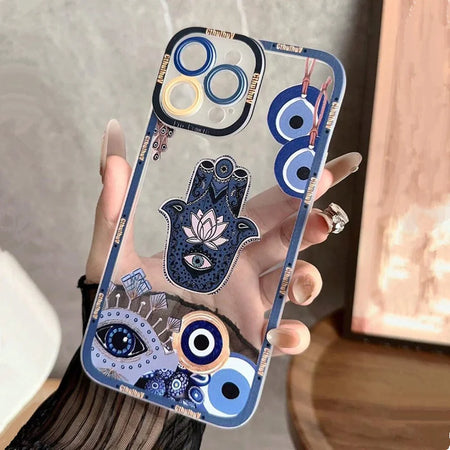
Protective Evil Eye Hamsa Pattern Phone Case for iPhone 16 Pro Max and Earlier Models
$10.24 - $10.80
View
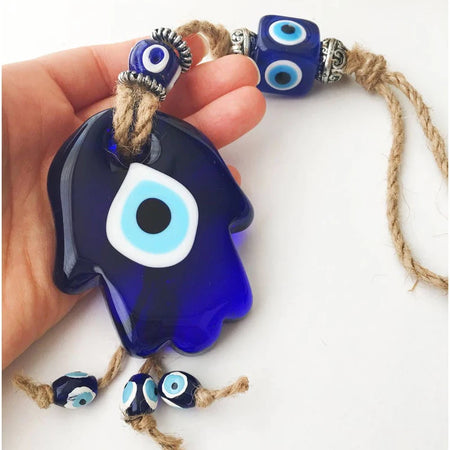
Handmade Hamsa Style Blue Turkish Evil Eye Wall Hanging for Home Protection Decor
$12.99
View
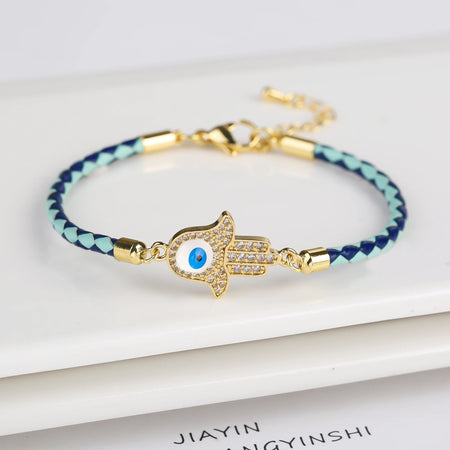
Elegant Zircon Evil Eye Bracelet with Adjustable Leather Strap for Daily Protection
$11.37 - $11.46
View
Caring for your spiritual amulets
Dirt and daily wear can easily dull the enamel of an eye or obscure the fine metalwork of a hand. Clean your pieces regularly using a dry microfiber cloth to remove surface oils and restore the natural shine of the metal. Avoid harsh chemical dips, especially for items containing glass beads, resin, or porous stones like turquoise. Those abrasive liquids will strip the protective finish, alter the color of the glass, and weaken the setting holding the amulet in place.
Store your protective pieces away from heavy, sharp jewelry. Harder materials easily scratch softer ones. A glass bead will suffer deep scratches if left loose in a drawer with diamond rings, and thin gold chains will knot around heavier pendants. Keep them in individual cloth pouches or dedicated compartments in a lined jewelry box. If you wear your amulets daily, inspect the clasps and jump rings every few months to ensure they remain secure. Physical care reflects spiritual respect. Treating the objects well reinforces the value you place on the protection they offer, keeping the intention behind the jewelry strong and clear.

179
Products
Evil Eye Jewelry
Discover our Evil Eye Jewelry collection, a perfect blend of ancient protection and modern style. Each piece is caref...
Explore
65
Products
Evil Eye Accessories
Our collection of Evil Eye Accessories is designed to bring both protection and style into your everyday life. From p...
ExploreSelecting your daily protection piece
The difference between the Hamsa and the Evil Eye comes down to a simple distinction: inviting good versus repelling bad. The hand reaches out to gather blessings and health, making it a reliable anchor for positive growth. The eye stares outward to intercept jealousy, acting as a strict boundary against unwanted energy from the people around you.
You do not need to overcomplicate the choice. Look at your current environment and assess what you actually need to navigate your week. If you feel secure but want to attract more abundance, wear the hand. If you feel exposed to harsh opinions or competitive stress, wear the eye. Knowing how these ancient shapes operate turns them from standard accessories into highly functional tools for your day. They offer a quiet, constant form of support that sits right against your skin. Whether you choose the welcoming palm or the watchful gaze, the right amulet provides a physical reminder of your own boundaries and intentions.
