

Back to Hamsa Hand
Use a Hamsa Hand where it fits your real day: by the front door, on your desk, beside your bed, or as jewelry you reach for with a little intention. If the symbol is new to you, start with one visible place instead of trying to redesign your whole routine around it.
These hamsa hand basics leave room for personal style and cultural respect. Hamsa decor use can make a home feel more settled, while wearing hamsa jewelry keeps the symbol close without making it a performance.
A Hamsa works best as a small pause in your day: notice it, breathe once, and choose protection through calmer, kinder attention.
Start with Hamsa Hand basics
Before you decide where to place or wear one, look at the shape itself: an open hand, often with an eye, floral detail, or patterned center. In hamsa hand basics, the hand is a cue for care and awareness. It is not a shortcut to perfect safety.
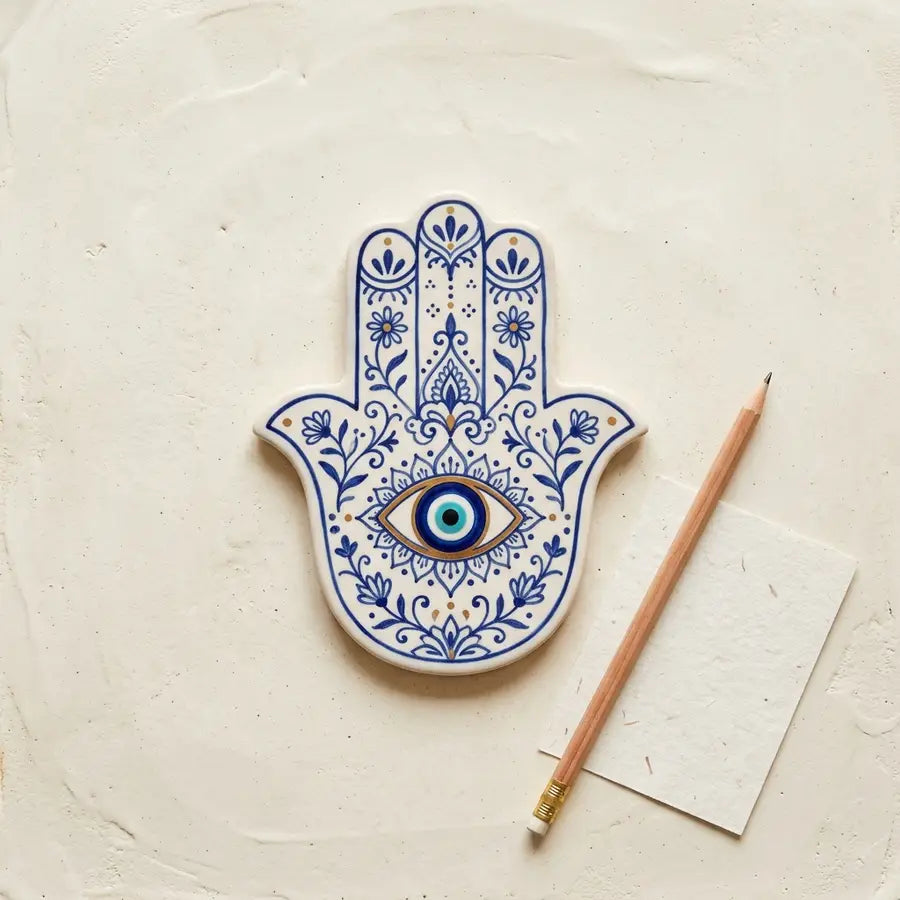
The Hamsa appears across Jewish, Muslim, Middle Eastern, and North African contexts, and the meaning behind the Hamsa hand can shift by place, family, and tradition. That is enough reason to approach it with respect instead of treating it as a random trend.
For everyday use, think of it as a daily protection symbol, and if you are weighing Hamsa vs Evil Eye for your style, let the choice point toward blessing, steadier attention, and an intention you choose when you see it.
- Protection feels more natural when the hand sits somewhere you already look, such as an entryway, mirror, or workspace. The symbol then connects with attention, boundaries, and calmer choices.
- Blessing can be simple: welcome, goodwill, and care for the people who pass through a space. In hamsa decor use, that might mean placing it near a shared table or bedside spot.
- Intention keeps the symbol personal. When wearing hamsa jewelry, pause as you put it on and choose one steady quality for the day.
Wear a Hamsa Hand as everyday jewelry
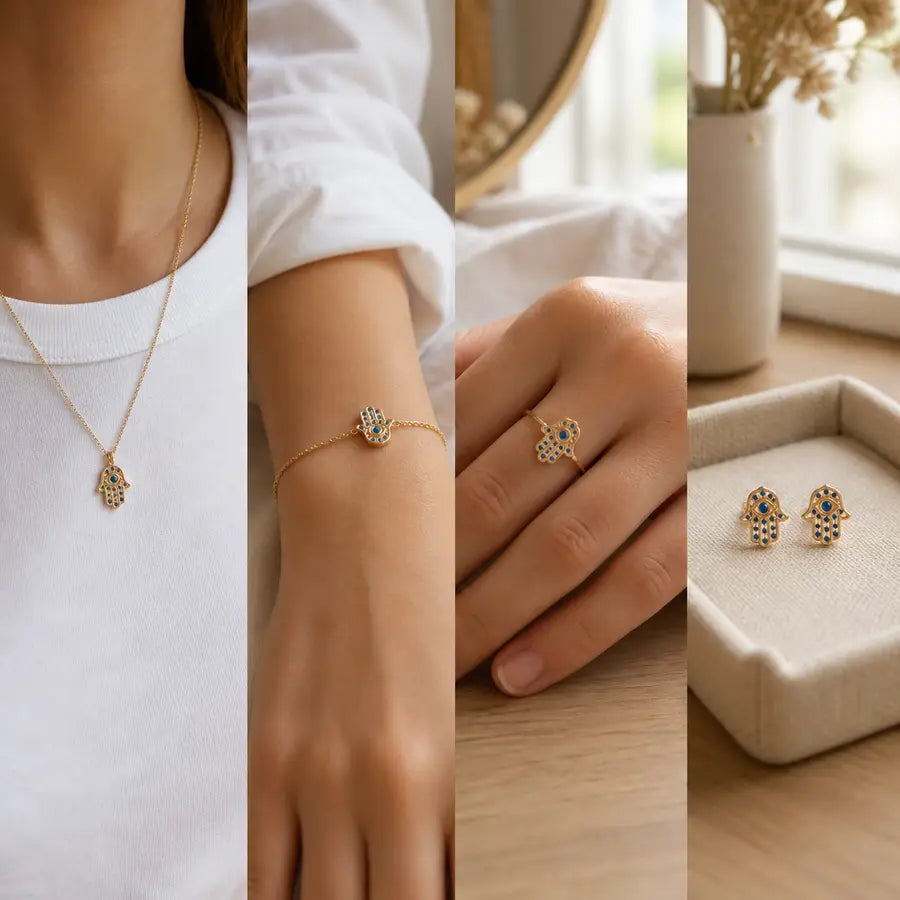
Jewelry is often the easiest place to begin because it moves with you through ordinary routines. A small pendant, bracelet, ring, or pair of earrings keeps the Hamsa close without asking you to rearrange your home.
Choose one piece you would wear anyway, then let it become a quiet daily cue for attention and care. The best choice is usually the one that fits your clothes, schedule, and tolerance for fuss.
How to style a Hamsa necklace
A Hamsa necklace looks most natural when the chain length works with the neckline. Try a short chain with crewnecks, a mid-length pendant with open collars, or a fine layered chain over a plain tee.
For work, keep the metal tone simple and let the symbol sit close rather than oversized. Silver reads cool and clean, gold feels warmer, and enamel or colored stones add personality, so let the rest of your outfit decide.
How to wear a Hamsa bracelet
A bracelet gives you a visible reminder when you type, pay for coffee, pack a bag, or reach for keys. For daily use, choose a secure clasp and a size that does not slide too far down your hand.
On travel days, a slim Hamsa bracelet can feel grounding without drawing much attention. It also pairs well with a watch or one plain cuff, as long as the charms are not clinking against everything you touch.
When a ring or earrings make sense
Rings and earrings suit minimal outfits or settings where a necklace feels too visible. A tiny Hamsa stud, signet-style ring, or delicate charm adds meaning in a low-key way.
That route works well when you want personal symbolism over display. It is also a good fit for people who like clean lines, small details, and jewelry that does not announce itself from across the room.
- On casual denim days, wear a small Hamsa pendant with a white tee, soft cardigan, or relaxed shirt so the symbol feels natural, not costume-like.
- For work, a fine chain, small bracelet, or tiny studs stay close to the body and do not compete with tailored clothing.
- For weekend layers, mix one Hamsa charm with plain chains or stack one bracelet beside simple cuffs. Leave enough space so each detail is readable.
- For travel outfits, wear one comfortable piece you will not fuss with, then use it as a steady reminder during airports, walks, and unfamiliar routines.
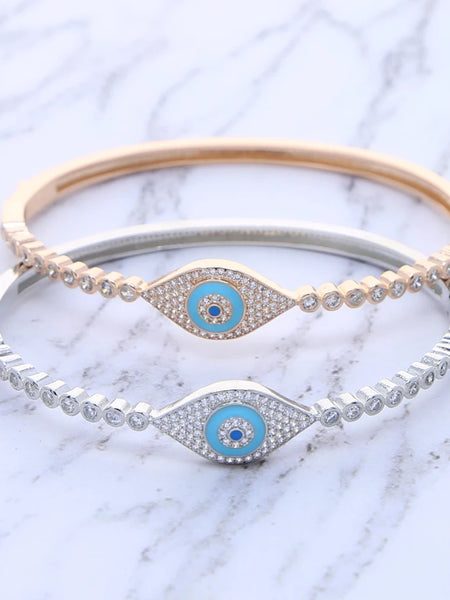
Elegant Rose Gold Evil Eye Bracelet with CZ Crystals and Hamsa Hand Charm for Women
$19.78
View
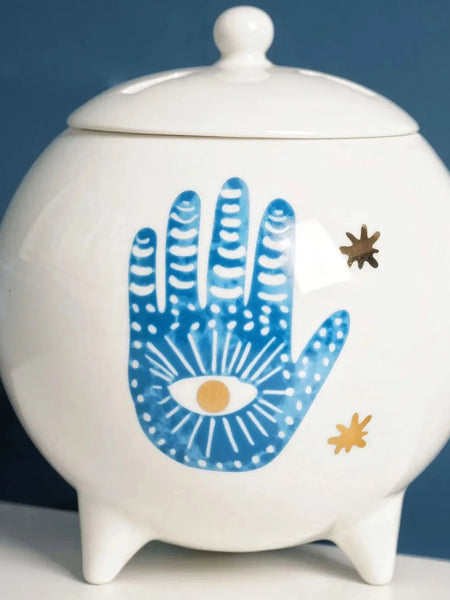
Blue Evil Eye Ceramic Hamsa Hand Jar for Aromatherapy and Stylish Home Decoration
$83.99
View
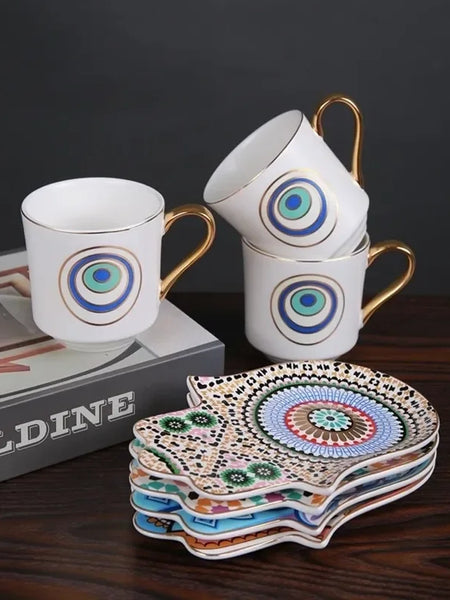
Turkish Ceramic Coffee Cup Set with Evil Eye Design and Hamsa Hand Tray for Gifting
$24.67
View
Place a Hamsa Hand near your entryway
The front door is a natural place to begin because it marks the shift between home and the outside world. A Hamsa near the entryway can become a small threshold reminder: take your keys, check your bag, breathe once, and step out with steadier attention.
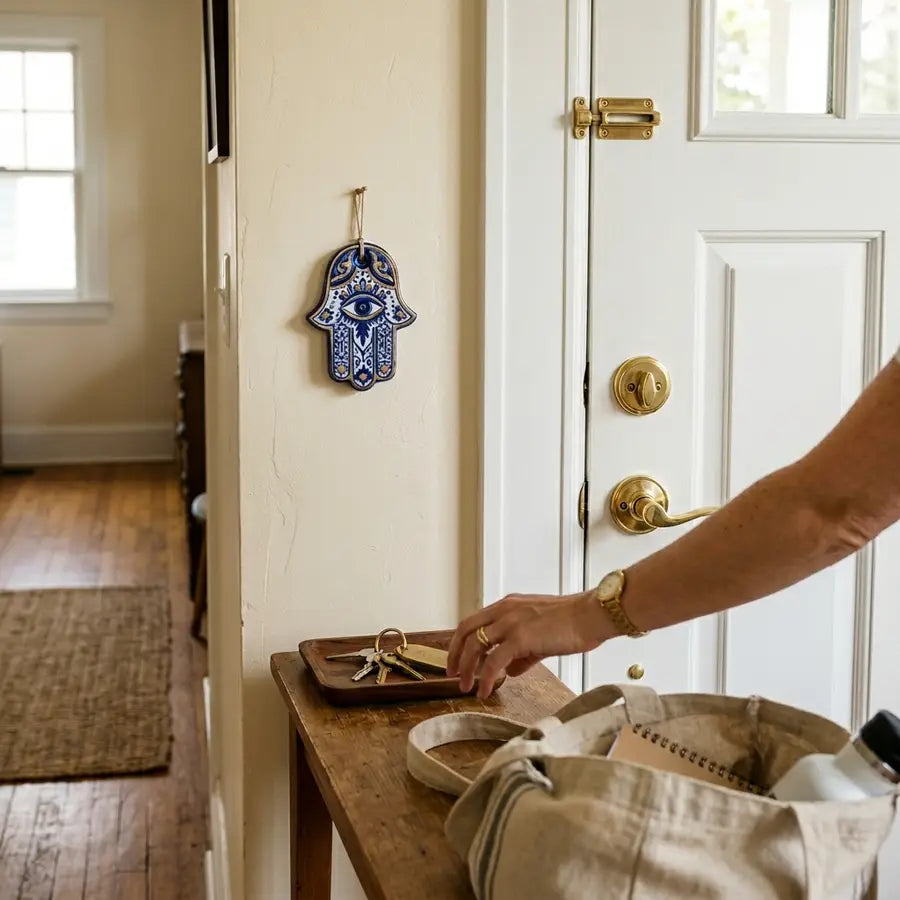
There is no single correct height or direction for hamsa decor use, so choose a spot that fits your home and the way you move through it. Keep it visible but not in the way, especially if your entry is narrow or shared.
If the area already has coats, shoes, mail, and bags, go smaller. A crowded entry can make even a meaningful object feel like one more thing to dodge.
- Beside the door, hang a small Hamsa where your eye lands as you leave, so it gently marks the moment before errands, work, or school.
- On a console table, place a Hamsa dish or small framed design near keys, a tray, or a lamp without crowding the surface.
- Near a mirror, let the symbol sit close to the last glance before you step out, especially when choosing jewelry, a scarf, or a coat.
- Inside a small hallway, use a lightweight wall hanging, magnet, or shelf piece that works for apartments, rentals, and tight entry corners.

55
Products
Evil Eye Home Decor
Shop Evil Eye home decor, from wall hangings and decorative accents to stylish pieces for shelves, tables, and everyd...
Explore
13
Products
Evil Eye Pins & Magnets
Personalize backpacks, bags, and accessories with Evil Eye pins ranging from subtle accents to statement brooches. Ch...
ExploreStyle it in a bedroom or meditation corner
A bedroom or meditation corner gives the Hamsa a softer job than an entryway. Instead of marking departures, it can support quiet reflection, rest, and small personal routines.
For hamsa decor use, choose a calm surface where the symbol feels noticed, not staged. A shelf, wall hook, bedside tray, or small framed spot usually works better than a busy surface packed with unrelated things.
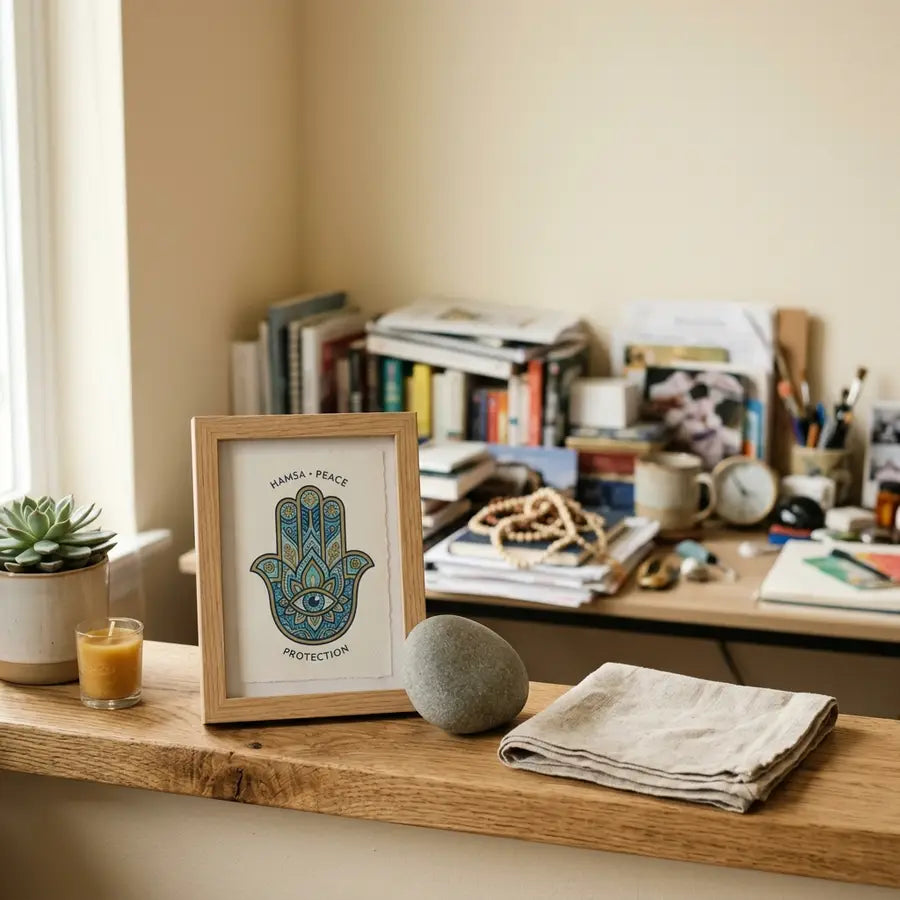
How to use it in a bedroom
Place a small Hamsa on a bedside shelf, dresser, or wall space you see while winding down. Keep it near everyday objects rather than hidden behind bottles, cords, or folded clothes.
In the morning, the same spot can become a gentle starting cue before you reach for your phone, jewelry, or clothes. It does not need a big ritual around it. A glance is enough.
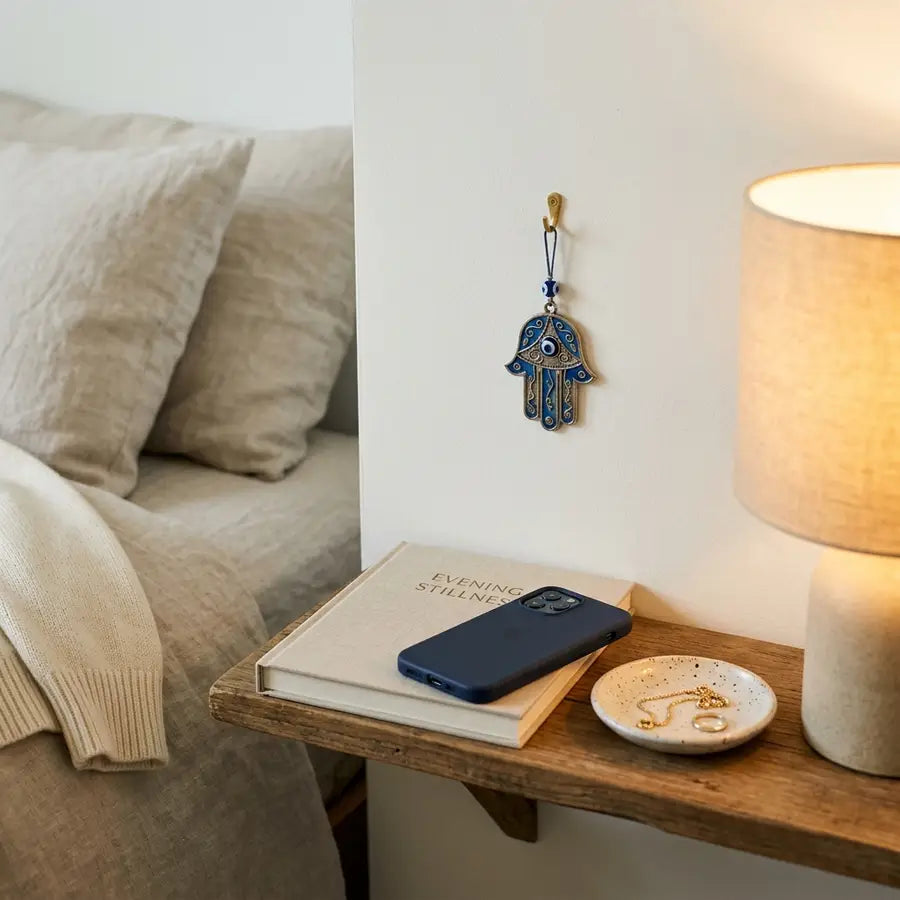
In a meditation corner, pair the Hamsa with only a few grounded details: a cushion, candle, journal, or small bowl. Too many symbols can make the area feel busy, even if each object has meaning.
Leave a little empty space around it so the daily protection symbol stays intentional and easy to return to. Empty space is not wasted space here; it gives the eye somewhere to rest.
- Before getting up, look at the Hamsa and choose one simple intention for the day, such as patience, steadiness, or kinder boundaries with your time.
- At night, place jewelry, keys, or a journal nearby and take one slow breath, letting the Hamsa mark the shift away from outside demands.
- During meditation, rest your gaze on the Hamsa for a few breaths, then close your eyes. Treat it as a focus point, not a promised result.
Carry a small Hamsa charm with intention
If wearing hamsa jewelry feels too visible, a small charm gives you a quieter way to keep the symbol close. Clip it where your hand naturally reaches during the day, then use that brief contact as a private reminder to move with care, patience, and clear boundaries.
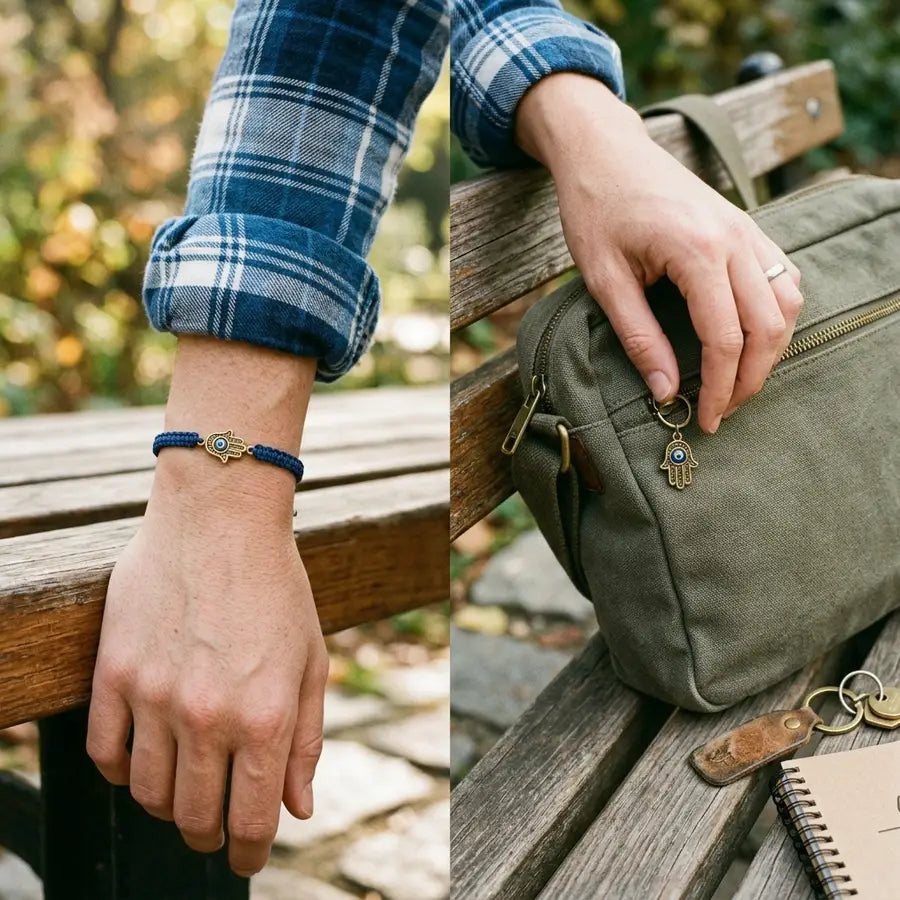
A charm works best when you want portable meaning without changing your outfit or adding hamsa decor use to your home. Compared with a necklace or wall piece, it stays practical and discreet.
That can be useful on commutes, errands, or trips, when a daily protection symbol may feel more personal than decorative. Choose a charm with smooth edges and a sturdy loop if it will live on keys or a bag.
- Add a small Hamsa charm to the keys you use most, so errands, commuting, and doorways become natural moments to pause.
- Clip one to a handbag or backpack zipper pull where it is visible, but not large enough to catch constantly.
- Keep a charm in a travel pouch with documents, chargers, or small essentials when you want the Hamsa nearby without wearing jewelry through long travel days.
- Place one in a desk drawer near pens, headphones, or work notes as a discreet cue before calls, emails, planning, or difficult tasks.
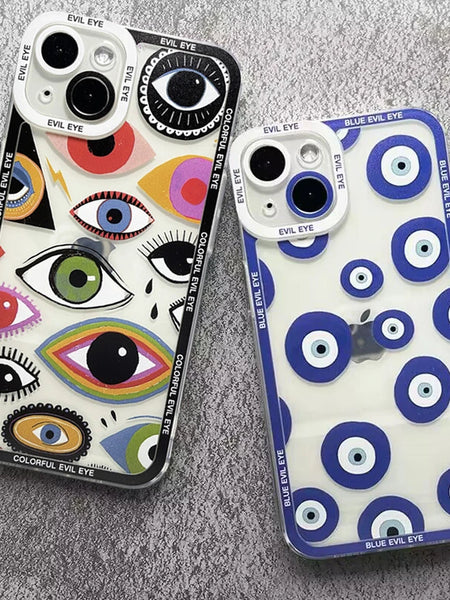
Embrace Ancient Protection with a Transparent, Anti-Scratch Evil Eye iPhone Case for Modern Style and Confidence
$10.55 - $10.80
View
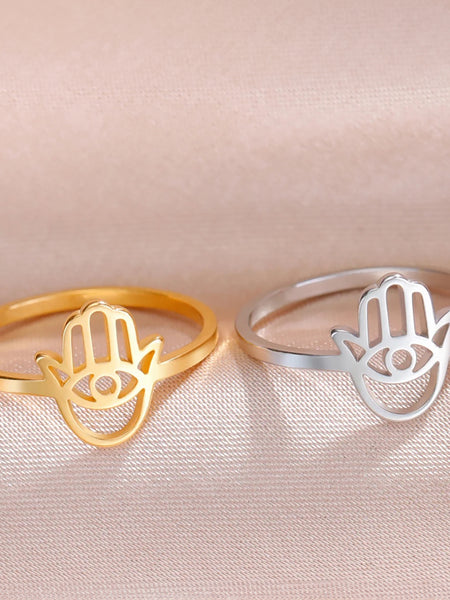
Trendy Stainless Steel Evil Eye Hamsa Hand Ring for Women - A Unique Geometric Amulet for Daily Wear and Special Occasions
$11.23 - $11.39
View
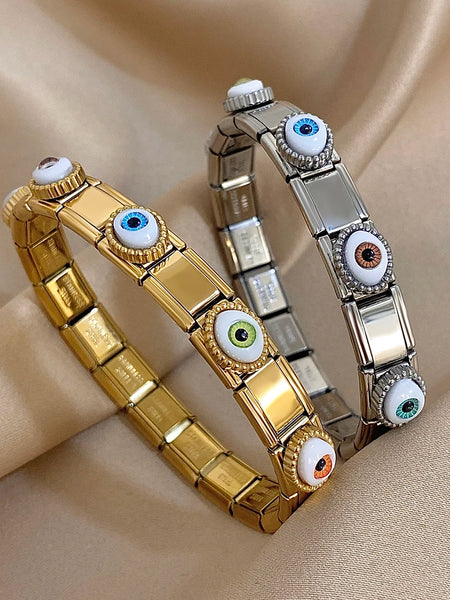
Waterproof Stainless Steel Evil Eye Cuff Bracelet for Women and Men Colorful Protective Talisman Bangle
$18.34 - $19.36
View
Choose a meaningful Hamsa gift
When browsing Hamsa Hand gift ideas, the most thoughtful choice comes with a little context, not a heavy explanation. Tell the person why you chose it: a new door, a season of travel, a quiet desk, or a reminder to slow down.
Keep the message warm and simple, especially if the symbol is new to them. A note that says “for your new place” or “for steady travel days” can say enough.
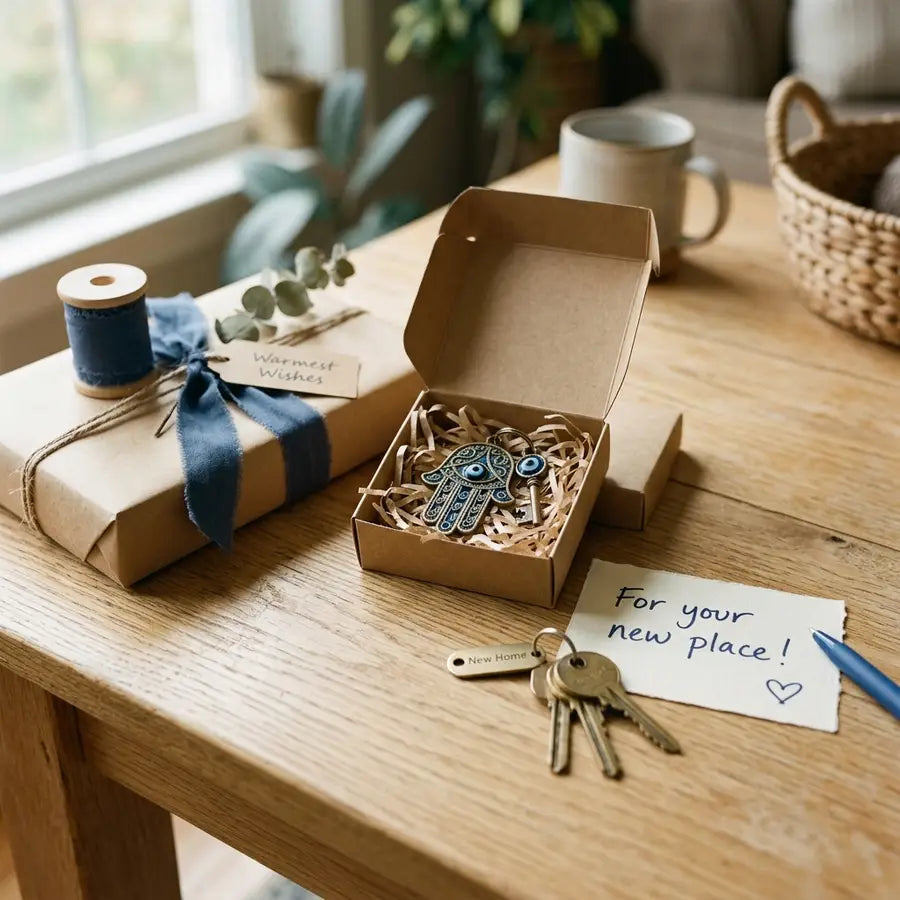
Match the gift to the person’s routine before you choose the style. Someone who likes visible meaning may enjoy wearing hamsa jewelry, while a more private person may prefer a charm tucked into a bag.
For hamsa decor use, think about their home colors, wall space, and comfort with symbolic objects. If their style is spare and neutral, a small metal dish may land better than a large wall hanging.
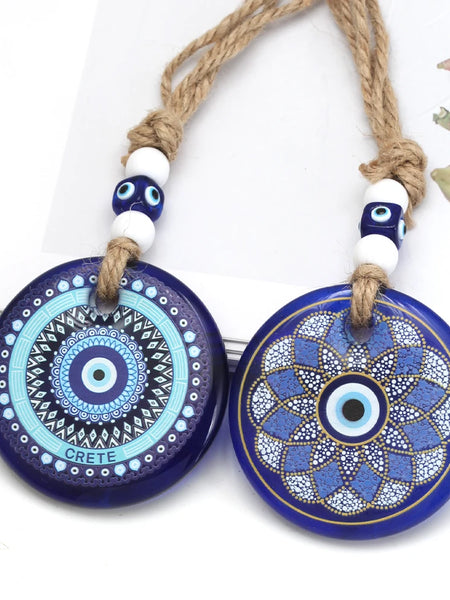
Elegant Blue Turkish Evil Eye Glass Pendant Wall Hanging Keychain with Flower Pattern Rope Chain
$16.58 - $19.95
View
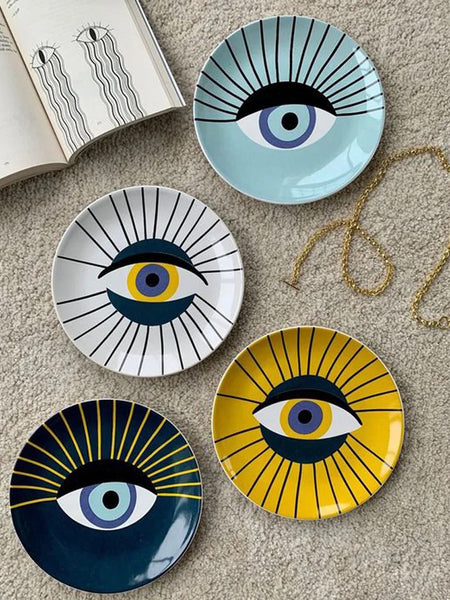
Handmade Ceramic Evil Eye Wall Art Plates for Home and Living Room Decoration in Multiple Sizes
$20.14 - $38.98
View
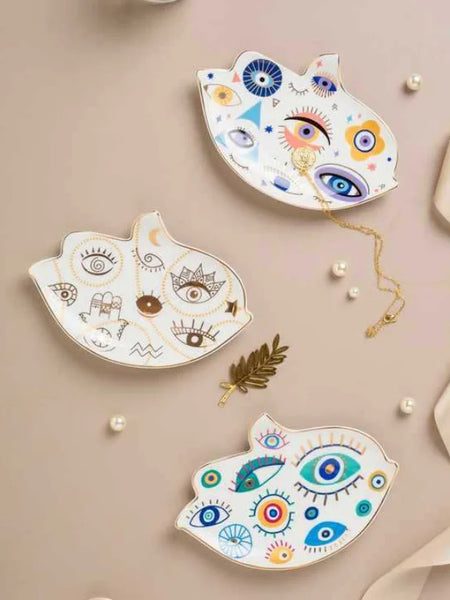
Beautiful Turkish Blue Evil Eye Ceramic Tray for Jewelry Storage and Decorative Home Display
$33.10
View
- For a new home, choose a small wall Hamsa, entryway ornament, or tray that fits near keys, mail, or a front-door mirror.
- For a frequent traveler, pick a compact charm, slim bracelet, or small pendant that will not snag on luggage, scarves, or busy travel layers.
- For a style minimalist, look for a plain metal pendant, tiny studs, or a low-profile bracelet with clean lines and little extra detail.
- For a meditation space, choose a small Hamsa dish, framed print, or shelf ornament that leaves breathing room around candles, journals, or cushions.
Use the Hamsa Hand respectfully
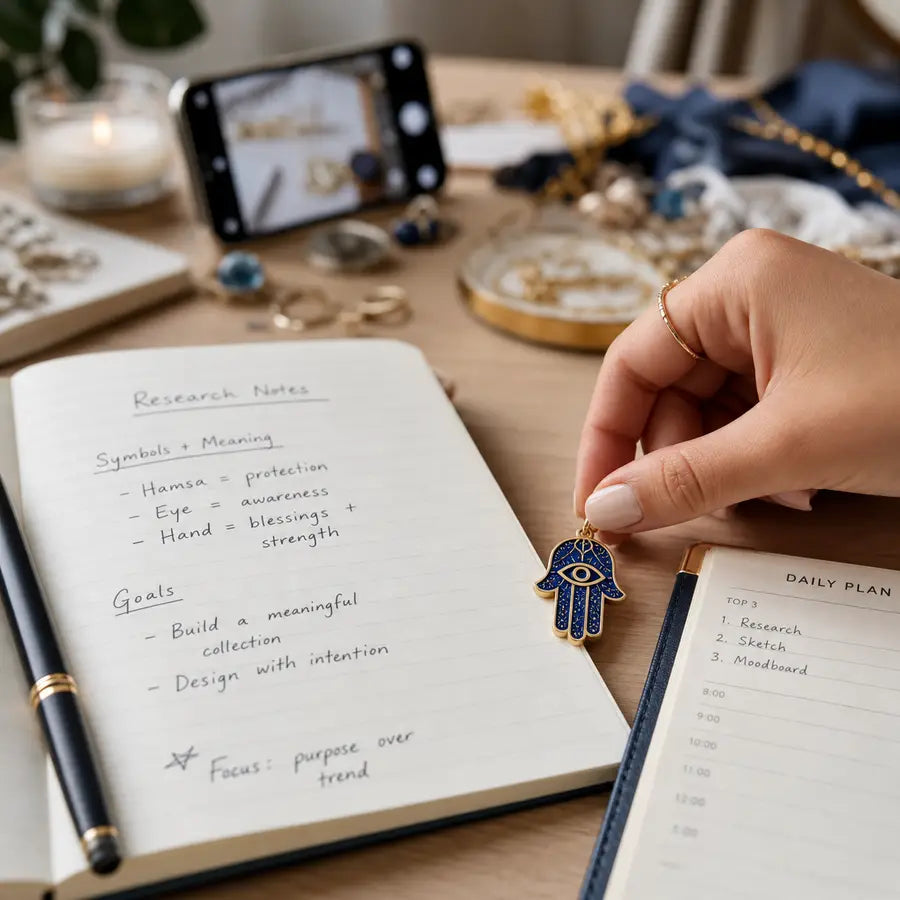
Respect does not mean you have to overthink every choice. Start with simple hamsa hand basics: learn where the symbol comes from, use it with care, and avoid turning it into a random trend.
A little awareness makes how to use a hamsa hand feel more thoughtful in daily life. It also helps you choose pieces that connect to your routine instead of pieces picked only because they look good in a photo.
- Do learn the basic meaning before wearing hamsa jewelry or giving it as a gift, especially if the person may value cultural context.
- Do choose placement with care. Keep Hamsa decor use away from messy floors, bathrooms, or spots where it may feel forgotten.
- Do match the format to your routine: jewelry for daily wear, decor for home thresholds, or a charm for private, portable meaning.
- Don't treat it like a costume or party prop. If you wear it, let the symbol fit your style without mocking its roots.
- Don't overpromise its effects. A Hamsa can be a daily protection symbol, but it should not replace practical care, boundaries, or common sense.
Outro
Begin with one small choice you can repeat tomorrow: wear a Hamsa pendant, place a charm on your keys, or set a modest wall piece near the door. Keep the meaning close to your actual routine, so the symbol reminds you to pause, check your boundaries, and move with care.
As you learn more hamsa hand basics, let respect guide your style. Choose pieces you will use often, avoid treating the Hamsa as a trend, and give it enough space to feel personal rather than decorative noise.
The right place for a Hamsa is usually ordinary: the hook by the door, the chain you already like, the tray where you empty your pockets at night. That everyday fit gives the symbol room to stay meaningful.
