

Back to Style Guides
For a left hand vs right hand evil eye bracelet choice, the usual reading is simple: the left hand is often tied to receiving protection, while the right hand is often tied to action or outward intention. Hamsa bracelet hand meaning follows that pattern in many wearing bracelet traditions, but it is not a fixed rule.
Choose the side that fits your wrist, your routine, and the meaning you want to respect. This beginner bracelet guide keeps the focus on practical protection bracelet tips, not promises.
Simple rule of thumb: wear it on the left to receive protection, on the right to express intention—unless your tradition or comfort says otherwise.
Left hand vs right hand evil eye bracelet meaning
The left hand vs right hand evil eye bracelet meaning usually starts with intention, not a universal rule. In many wearing bracelet traditions, the left side is treated as more receptive, while the right side is linked with action and outward energy.
For a Hamsa bracelet, that comparison is useful. It helps you choose a wrist without pretending the bracelet works the same way for every person or tradition.

What wearing it on the left hand can mean
Wearing an evil eye or Hamsa bracelet on the left hand is often read as receiving protection or keeping a protective reminder close. Some people prefer the left wrist when the bracelet feels personal rather than decorative.
Keep that meaning flexible. Families, regions, and faith-based customs can read the same symbol differently.

What wearing it on the right hand can mean
Wearing it on the right hand is often linked with expressing intention through action. Someone might choose the right wrist for work, travel, social plans, or days when they want the bracelet to sit where they can see it more often.
The right wrist may also make more sense if your left wrist already carries a watch or a stack of bracelets. Symbolism matters, but so does not having the charm jammed against everything else you wear.
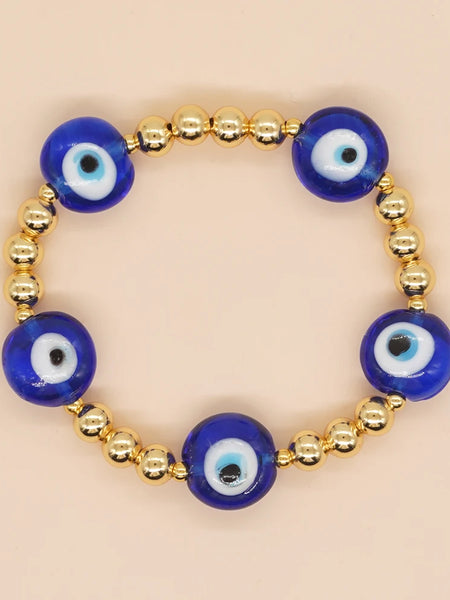

Evil Eye Beaded Bracelet with Blue Discs and Gold Tone Spacers
$11.24
View
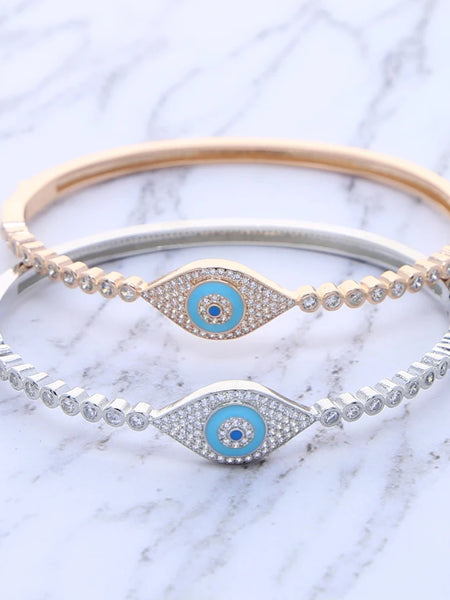

Evil Eye Bangle Bracelet with Blue Center and Round Accents
$19.78
View
 UP TO 32% OFF

Evil Eye Link Bracelet with Raised Multicolored Eyes
$18.34 - $19.36
View
No single rule fits every tradition, so avoid forcing one meaning onto every bracelet or wearer. If both sides make sense, choose the wrist that feels natural, then check the basics: a clean surface, a secure fit, and comfortable movement.
Hamsa bracelet hand meaning and cultural context
Hamsa and Evil Eye differences matter because these symbols appear in different religious, regional, and family settings, so their meanings should not be flattened into one tidy answer. When you compare left hand vs right hand evil eye bracelet choices, cultural context belongs in the decision along with comfort and visibility.

How the Hamsa is often understood
The Hamsa is commonly associated with protection, blessing, and a hand-shaped sign of care. Some wearers connect it with warding off harmful attention; others treat it as a reminder to move with patience or gratitude.
For Hamsa hand meaning in a bracelet, the wrist usually adds a personal layer. It does not rewrite the symbol on its own.
58
Products
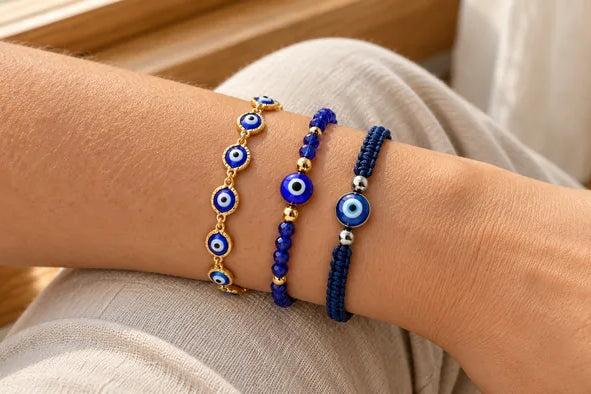
Evil Eye Bracelets
Shop Evil Eye bracelets for everyday style, layered wrist looks, and meaningful gifts. Explore beaded, charm, cuff, b...
Explore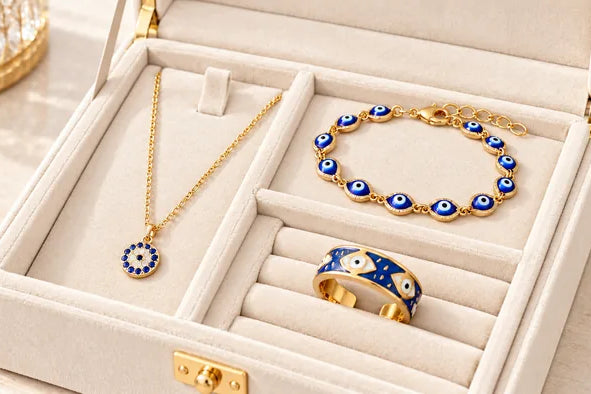
178
Products
Evil Eye Jewelry
Shop Evil Eye jewelry in symbolic necklaces, bracelets, rings, earrings, pendants and charm styles for everyday layer...
ExploreBecause the Hamsa carries spiritual and cultural weight, it deserves more care than a passing trend. If the symbol belongs to a tradition you practice or grew up around, that background may matter more than general protection bracelet tips online.
How the evil eye is often understood
The evil eye motif is commonly used as a protective sign against envy, ill will, or unwanted attention. For beginners, it is safer to read the meaning of the evil eye as a symbolic reminder of protection, not a guaranteed shield.
In wearing bracelet traditions, the charm can support intention. Respectful use and ordinary jewelry care still do their part.

How to choose the hand for your bracelet
For a beginner, the hand choice usually comes down to the meaning you want to carry and the wrist that suits your day. Use the left hand vs right hand evil eye bracelet idea as a starting point, then test it against movement, comfort, and your own wearing bracelet traditions.
- Start with your reason. If you want a quiet reminder of personal evil eye protection or emotional steadiness, the left wrist may feel natural. If you want a visible intention for action or confidence, the right wrist may fit better.
- Pay attention to your dominant hand. A bracelet on the hand you use most can knock against desks, keyboards, gym equipment, or bags. If that gets annoying, wear it on the other wrist, even if the symbolic meaning is less exact.
- Look at what is already on your wrists. A watch, bangles, or beaded bracelets can crowd a charm quickly. Constant rubbing against harder metal may wear the finish and make the bracelet less comfortable.
- Match the bracelet to your routine. For work or school, a low-profile bracelet is usually kinder to your writing hand. For exercise, sleep, or frequent handwashing, check the clasp, cord, and charm edges before wearing it all day.
- Let the meaning stay personal. Hamsa bracelet hand meaning can guide you, but it should not override family custom, faith practice, or comfort. Choose the side that feels respectful and practical, not the one that sounds strictest.


Evil Eye Bracelet with Twin Braids and Flat Center Strap
$12.38
View


Evil Eye Beaded Bracelet with Scroll Spacers and Black Cord
$10.75 - $10.99
View


Trying both sides for a few days is reasonable, especially if this is your first evil eye bracelet for daily wear. Notice where the bracelet catches, where you see it most often, and which side feels natural during ordinary tasks.
If the meaning matters to you, keep that intention steady even when you switch wrists.

Protection bracelet tips before you buy
Symbolism can guide a left hand vs right hand evil eye bracelet choice, but it should not outrank fit. A bracelet that pinches, slides over the hand, or catches on sleeves will not get worn for long.
Before buying, put the meaning next to the practical details: wrist size, clasp style, material, and daily comfort.

What size and clasp should you choose
Measure the wrist where the bracelet will sit, then add a little room for movement instead of guessing from general sizing. Adjustable cords and extender chains are useful if you are unsure of size.
Lobster clasps, toggle clasps, and stretch beads all behave differently on the hand, especially if you have limited dexterity or prefer one-handed fastening. The charm should lie flat rather than twist sharply into the skin.


Evil Eye Bangle Bracelet with Colored Eye and Stone-Lined Band
$17.97 - $18.06
View


Evil Eye Bracelet with Blue Motifs in Bangle and Chain Styles
$12.30 - $13.83
View


Evil Eye Braided Bracelet with Dotted Hamsa Hand and Beaded Cord Ends
$10.31 - $10.42
View
Match the material to how often you plan to wear the bracelet. Metal styles usually need more care around water, perfume, and sweat, while cord or bead bracelets can feel lighter for daily use.
If skin sensitivity is a concern, read the metal description closely. Vague plating claims are worth treating with caution.
How should you stack a protection bracelet
Stacking can work if the Hamsa or evil eye symbol stays visible and does not grind against harder jewelry. A small charm bracelet can sit beside a watch, cord bracelet, or simple beads as long as there is room for movement.
For protection bracelet tips that hold up in daily wear, avoid stacks that pull the clasp open or bury the symbol completely.

Common questions about wearing bracelet traditions
Wearing bracelet traditions often leave room for ordinary life: typing, washing hands, sleeping, travel, and personal comfort. Use the symbolism as a guide, not a test you can fail.
For a beginner bracelet guide, respect the meaning while choosing a side you can wear consistently.
Can you wear an evil eye bracelet every day
Yes, if the bracelet feels comfortable and the material suits daily use. Check the clasp, cord, beads, and charm edges before wearing it all day.
Remove it for water, sweat, or sleep if those habits could damage the bracelet or irritate your skin.

Can you switch the bracelet from left to right
You can switch wrists for comfort, work, or a change in intention. In a left hand vs right hand evil eye bracelet choice, moving sides may shift the symbolic focus, but it does not make the bracelet wrong to wear.


Evil Eye Bracelet with Faceted Beads and Blue Disc Center
$11.36 - $11.39
View


Evil Eye Cord Bracelet with a Round Bead and Side Knots
$10.19 - $11.54
View
If your dominant hand keeps knocking the charm against a desk, the other wrist may be the more practical choice. Comfort should support the meaning, not fight it.
Family or faith traditions may still guide the final decision if they are part of your practice.
Is a Hamsa or evil eye bracelet a good gift
When the bracelet features the Hamsa, it can be a thoughtful Hamsa Hand gift when given with cultural care. Briefly explain the symbol, avoid promising protection as a certainty, and let the wearer choose the hand.
Adjustable sizing also helps if you do not know their wrist size.
Choose a side that fits
Choose the wrist by matching meaning with daily use: left for a more receptive protection reminder, right for outward intention and action. If your family, faith, or comfort points another way, trust that over a rigid rule.
Try the bracelet on both wrists at home before deciding. Keep the side that feels respectful, secure, and easy to wear during a normal day.
